Everything you need to know about the ECGT directive (and why you're running out of time)

Martyna Szumniak
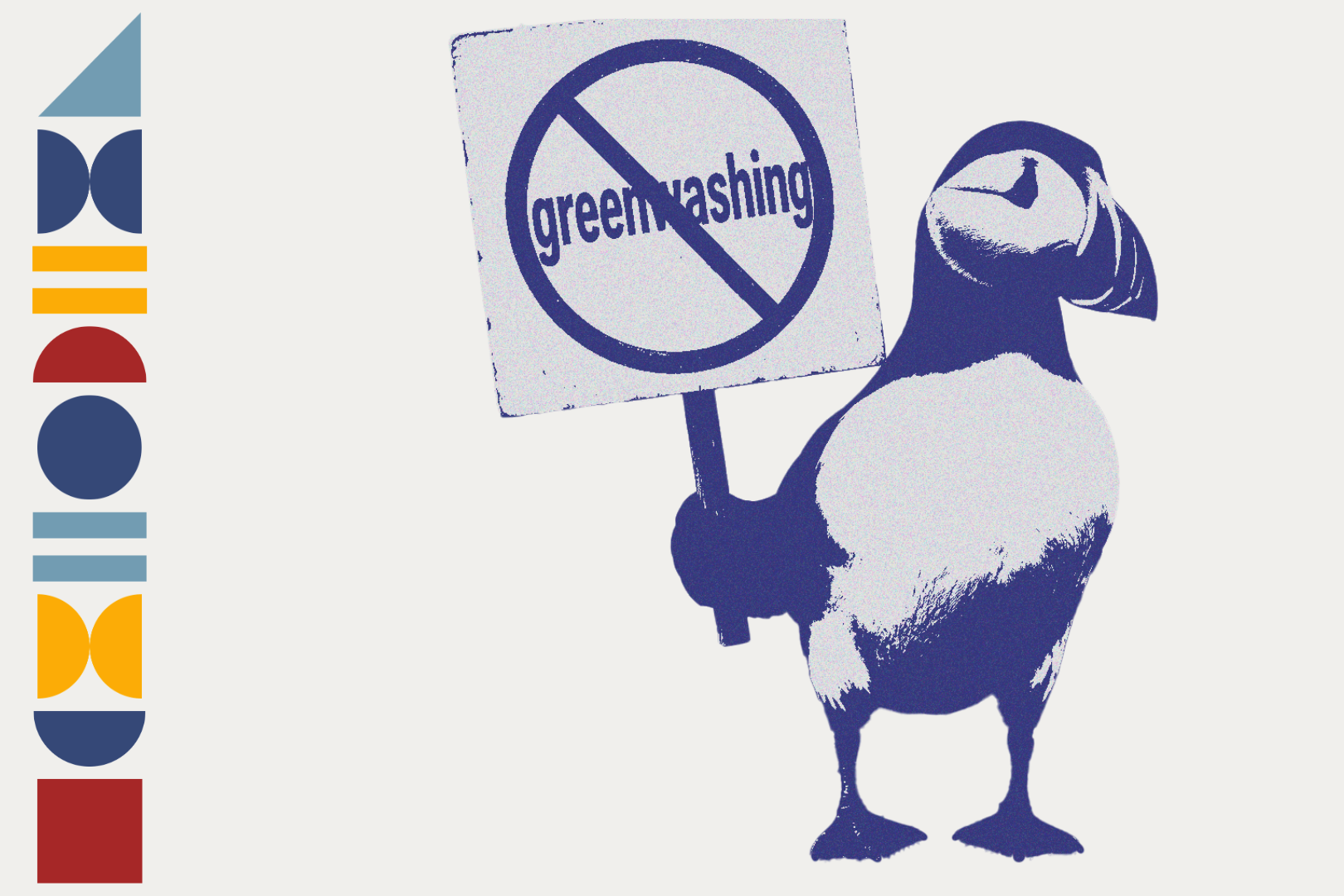
The EU's new greenwashing law isn't en route; it's already arrived. The ECGT — Empowering Consumers for the Green Transition — directive comes into force on the 27th September 2026, and most organisations are not ready.
The directive was originally signed in February 2024, with the deadline of 27th March 2026 for Member States to transpose it into national law. And in just under 4 months, companies that do not comply can be liable for penalties.
So, if you’re not sure about what this means for your organisation, here is everything you need to know.
What is the ECGT Directive?
Titled Directive (EU) 2024/825 on Empowering Consumers for the Green Transition, this directive isn’t a new law, but rather amends and combines two existing EU consumer directives (the Unfair Commercial Practices Directive and the Consumer Rights Directive).
The main purpose of the ECGT is to streamline environmental claims and make them comparable and verifiable. By banning generic greenwashing terms, unregulated labels and unfounded claims, the directive aims to help consumers trust the information they receive from brands and hold them accountable for their sustainability claims.
This comes in response to findings from the EU that over half of green or sustainability claims were vague, misleading or unfounded, leading to increased mistrust and confusion for consumers.
What the ECGT actually means
The directive sets out a number of requirements and bans on environmental and sustainability claims across marketing materials, digital channels and product labels.
These include:
- No more generic green terms. The scope of misleading commercial practices expands to vague, unsubstantiated, or unverifiable ESG communications. This means terms like "Eco-friendly", "green", "sustainable", "climate neutral", and others are banned unless they are demonstrably backed by specific, verifiable information.
- Self-made labels are out. Sustainability labels must be based on an independently certified scheme or set by a public authority, restricting how information is presented and what companies can include on them.
- Future-looking claims need proof. "Net zero by 20XX" requires a publicly available, independently verified implementation plan with measurable targets and allocated resources
- Methodology-backed comparisons: If you want to compare your product's sustainability to a competitor's, you must disclose the methodology behind the comparison.
- Offset-based "carbon neutral" claims are no longer allowed. Product-level offsetting isn’t enough to underpin a climate neutrality claim anymore, meaning brands need to put in real effort to claim carbon-neutral products.
- ESG claims become ongoing compliance, not a one-off audit. ESG claims must be actively maintained and consistent across all channels regularly.
Does this apply to you?
The ECGT applies to any business communicating with EU consumers, regardless of their headquarters or business address. This means that brands and manufacturers from countries like UK, US, Canada or others need to comply if they sell into the EU in any capacity.
The directive is primarily concerned with B2C engagements, though the B2B side is expected to expand, with Germany already incorporating B2B elements in its legislation.
While corporate sustainability reports aren’t directly part of the scope, they do become relevant if CSR claims are included in consumer-facing communications.
How much time do you have?
The directive entered into force in March 2024, and member states must have transposed it into national law by 27 March 2026. Official enforcement begins 27 September 2026, by which point each product on the shelf or online needs to comply.
For non-compliance, fines of up to 4% of the annual turnover (in affected member states) may be enforced, alongside revenue from misleading transactions being confiscated. Additionally, class-action style actions are now possible under EU laws, and competitors are allowed to challenge brands for non-compliance.
So, what should you do?
The first step to guaranteed compliance is mapping out any and all sustainability claims and labels currently on use across product, website and other communication channels. It’s only with a clear view of all your consumer communication that you can ensure compliance.
Secondly, review all of your claims against the laid-out framework and check whether they are claimed by qualifying schemes and frameworks. This includes any forward-looking statements.
Once you have a clear understanding of all your sustainability communications, it’s time to work with the relevant departments to ensure everything is compliant by September. While legal and procurement seem like the most logical teams to involve, it’s crucial that you involve your comms department or agencies to ensure that they are part of the strategy to build a sustainable and compliant brand through consumer-facing channels.
What does the future look like?
Though this directive might feel like a big ask, it’s likely only the start of the EU’s fight against greenwashing. Protecting consumers and standardising the sustainability landscape are clear priorities, and getting compliant now is necessary for future growth.
But it’s also an opportunity: positioning your brand as credible, compliant and using this as an opportunity to improve your impact communications will set you apart in the long run.
Not sure where to start? Don't have the time or resources right now? Hit us up.
We help organisations audit and refine their sustainability communication to display the impact they are truly making. Say hello@dante.media
Let's talk
